The Ki-67 nuclear antigen is associated with cell proliferation. It is found throughout the cell cycle in the G1, S, G2, and M phases; but not the (GO) phase. It is used to grade proliferation rates of tumors. The high affinity and/or binding capacity of rabbit antibodies provide superior staining results and less chance for […]
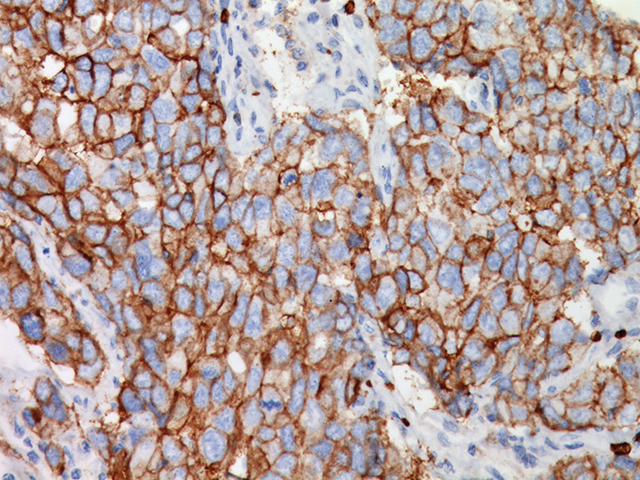
The Insulin-like Growth Factor 1 Receptor (IGF-1R antibody) is a trans-membrane receptor that is activated by Insulin-like Growth Factor (IGF-1 antibody). IGF-1 stimulates mitosis and inhibits apoptosis thus enhancing cell survival. It is expressed in all tissues and is highly over-expressed in most malignant tissues. IGF-1 has been shown to induce hypoxia-inducible factor-1 (HIF-1) mediated […]
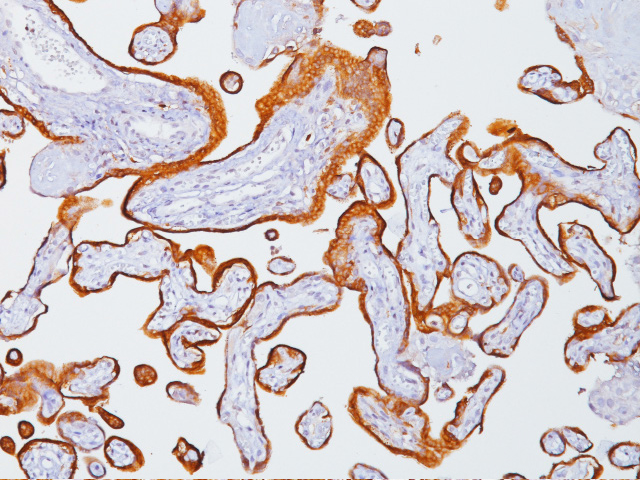
Human chorionic gonadotropin antibody (hCG) is a glycoprotein hormone synthesized in syncytiotrophoblastic cells of placenta and in certain trophoblastic tumors. The hormone-specific beta chains have molecular weights of 14 kDa and 17 kDa, respectively. It is believed that the C-terminal region of then CG-beta subunit plays a role in the intracellular behavior of the heterodimer. […]
HMB45 reacts with a neuraminidase-sensitive oligosaccharide side chain of a glycoconjugate present in immature melanosomes. The HMB45-reactive antigen is present in cutaneous melanocytes, prenatal and infantile retinal pigment epithelium (RPE), and melanoma cells and is thought to be oncofetal in nature. This antibody has been shown to label the majority of melanomas.15
Heat shock proteins (HSPs) are an important part of the cell’s machinery for protein folding and also help to protect cells from stress. HSPs are expressed in tumor cell proliferation, differentiation, invasion and metastasis. In addition to improving overall protein integrity, Heat Shock Protein 70 antibody (HSP70) directly inhibits apoptosis and has been shown to […]
Glypican-3 (GPC3), a member of the glypican family of glycosyl phosphatidylinositol-anchored cell-surface heparin sulfate proteoglycans, plays an important role in cell growth and differentiation.15 Using the 1G12 monoclonal antibody, GPC3 has been identified as a useful tumor marker for the diagnosis of Hepatocellular Carcinoma (HCC), hepatoblastoma, melanoma, testicular germ cell tumors, and Wilms’ tumor.15-18
Glucose transporter 1, also known as GLUT-1 antibody or SLC2A1 is a protein in humans encoded by the SLC2A1 gene. GLUT-1 antibody facilitates the transport of glucose across the plasma membranes of mammalian cells. GLUT1 is responsible for the low-level of basal glucose uptake required to sustain respiration in all cells. Several glucose transporter protein […]
GATA-3 (GATA binding protein 3) is a member of the GATA family of transcription factors. This 50 kDa nuclear protein regulates the development and is expressed in specific cell types within a variety of tissues.1,2 GATA-3 is a zinc finger transcription factor and plays an important role in promoting and directing cell proliferation, development, and […]
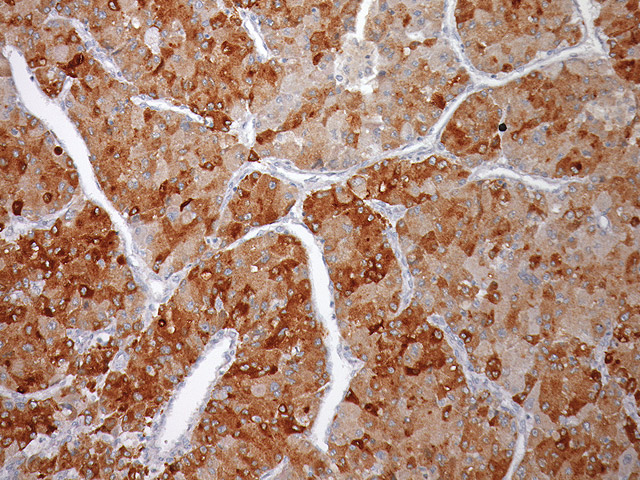
Follicle Stimulating Hormone antibody (FSH) is a hormone found in humans and other animals. It is synthesized and secreted by gonadotrophs of the anterior pituitary gland. FSH is involved in the maturation of ovarian follicles and estrogen secretion in females. In males, FSH stimulates the secretion of testosterone. Studies have shown that FSH may be […]
Mouse anti-human folate receptor alpha antibody monoclonal [26B3.F2] specifically recognizes the alpha isoform of folate receptor. Folate receptor alpha is primarily expressed in the apical surface of some polarized epithelial cells of normal tissues (such as kidney, lung, breast, and salivary glands) and on many cancer cells of epithelial origin; namely, ovarian cancer, thyroid cancer, […]